
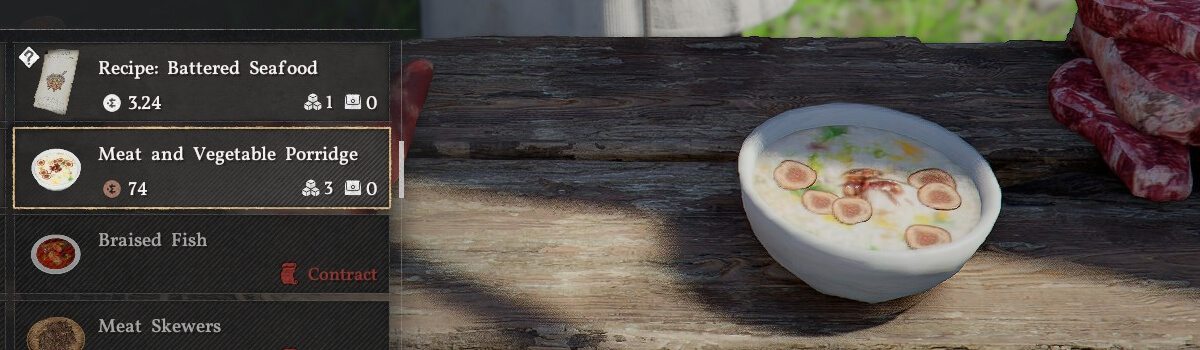
Healing and Cooking in Crimson Desert take on a paired role, with the game lacking a more formal healing style via potions, etc. Cooking and food become a key way for you to stay alive, and during boss fights, you'll find yourself eating a lot.
In the recent April update, difficulty options were added to the game; as a result, the hardest difficulty made healing even harder. This now makes healing and cooking even more important, so let's dive into that.
Pro Tip: Hard Mode Healing. If you are playing on Hard difficulty (added in Patch 1.04.00), food works differently. On Easy and Normal, eating restores health the moment you press the button. On Hard, your HP only recovers once the full eating animation has completed. This means committing to a heal at the wrong moment can get you killed. Keep this in mind when we talk about eating mid-combat below.
How Healing Works in Crimson Desert
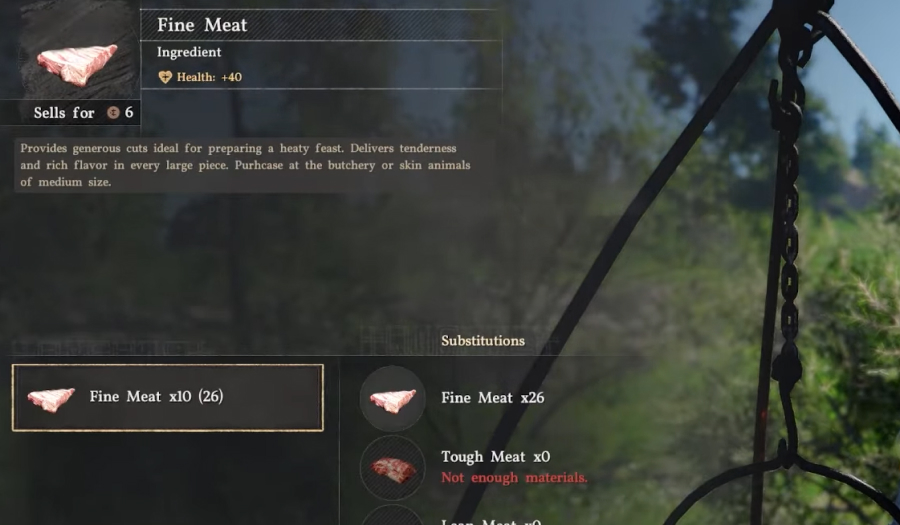
When it comes to healing in Crimson Desert, you will need to eat. Food is the only way you can heal in a traditional sense, with no potions to speak of. While you are able to heal using Focus, it's not really something you have time for in combat. More on that below.
You carry food in your inventory and eat it directly from there. By setting your "quick use" key to healing food, the game will cycle through all of them as you use the previous food. You can heal with both cooked food and raw food; however, only food that restores health will actually heal you. There are foods that give stamina; those will only give you that.
Focus Healing
Focus is a resource you build up during combat by landing attacks and parrying enemy strikes. When your Focus meter is sufficiently charged, you can trigger a Focus action that, among other effects, restores a portion of your HP.
The reason it isn't a reliable healing method comes down to timing and commitment. Activating Focus leaves you briefly vulnerable, and the window to do so safely mid-fight is very narrow; most encounters move too fast to make it practical. Think of Focus healing as a bonus when the opportunity presents itself, not something you plan around. Prioritise keeping healing food in your quick slot instead.
How to Cook
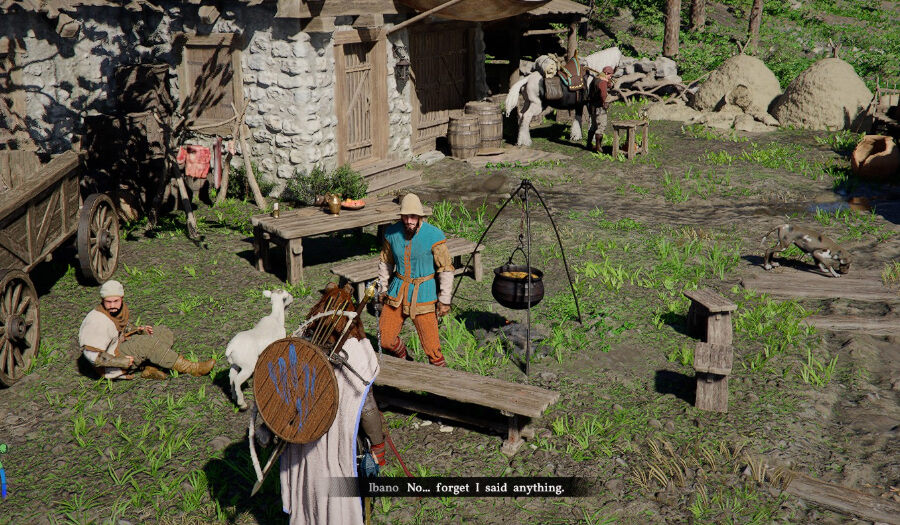
You can find cooking fires all over the world of Pywel.
You can cook at any campfire or cooking station in the world. Your camp's cooking station, which you unlock during Chapter 3, is the most convenient option once it is up and running.
How to cook:
- Interact with the cooking station or campfire.
- Select Cook from the menu.
- Choose a recipe from your list or select ingredients manually.
- Confirm and wait for the cooking animation to finish.
The ingredients you need come from foraging, hunting animals, looting enemies, and buying from merchants. As you play, you'll collect lots of cooking ingredients, so don't stress too much about having certain things. The main takeaway is to learn as many recipes as possible.
Pro Tip: To make sure you always have good food, make sure to buy up all the meat from butchers in towns and your camp. All meat is healing food, even in its raw form.
What Food to Prioritise
There are three types of food in Crimson Desert: raw food, cooked food, and pure buff food. Raw food can heal you as well, but cooked food not only heals you heal more you can also gain temporary stat benefits from the higher tier of cooked food.
Here is a rough breakdown of what to aim for:
- Raw meat and fruit: Low HP restoration, useful in a pinch but not something to rely on
- Basic cooked meals: A solid step up from raw ingredients; these should be your floor for anything past the early chapters
- Buff meals: These restore HP and apply a temporary combat effect. If you are heading into a boss fight, this is what you want in your quick slot
Pro Tip: Your Camp Chest Saves Ingredients. If you have the Sturdy Gatherables Chest or Kuku Coolers (added in Patch 1.04.00), any ingredients stored inside them can be used for cooking directly from storage. You do not need to move them into your active inventory first. This makes batch cooking at camp significantly faster and keeps your inventory from filling up with raw materials.
Stamina Food
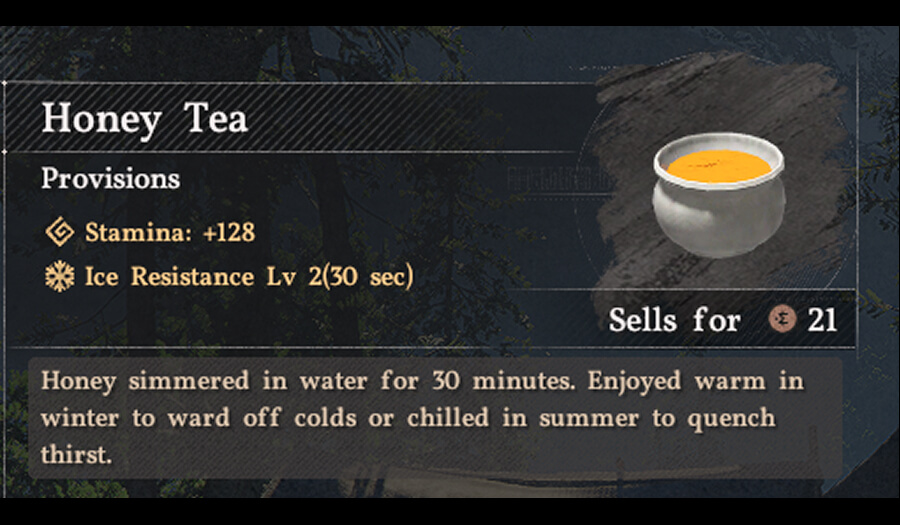
Stamina food is not useful in direct combat (where healing food takes priority), but it is worth keeping a small stack for:
- Long traversal sections between camps.
- Climbing sequences where running out of stamina mid-climb can be fatal.
- Mounted travel if your mount's stamina is linked to your own.
A quick way to tell them apart: healing food will show an HP value (e.g. +120 HP) in its tooltip, while stamina food shows a Stamina or Spirit value instead. Don't accidentally fill your quick slot with stamina food before a boss.
Best Food to Cook
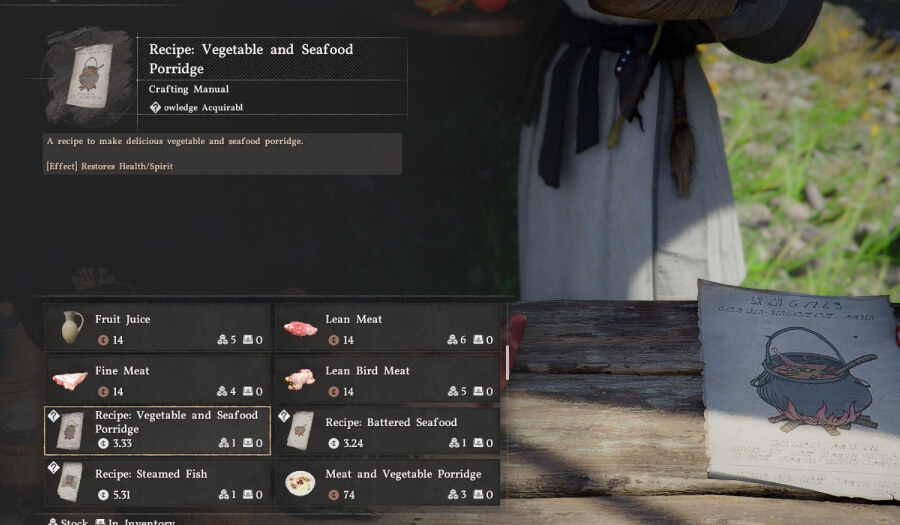
There are a lot of good foods in Crimson Desert, but we've picked five to give you a good idea of what to go for. The first three are all healing + buff foods that you can find. The final two are the highest healing Tier 1 foods, easy to get, heal for a good amount, and are good in the early to mid game.
| Food | Food Type | What it Does | Ingrediants | How to get the Recipe |
| Hearty Battered Harvest Roll (Tier 4) | Buff |
|
|
Delesyia Inn Innkeeper |
| Hearty Pan-Fried Vegetables (Tier 3) | Buff |
|
|
Grania in Kharonso |
| Hearty Clear Soup (Tier 2) | Buff |
|
|
Reward for Their Sweat Quest |
| Dried Fish | Healing |
|
|
Tales of the Hernandian Merchants and Tales of the Hernandian Residents Quests |
| Jerky | Healing |
|
|
Where Land Meets Sky Quests |
Note: Ingredient quantities are approximate and may vary slightly depending on recipe rank. Check your in-game recipe list for exact requirements once unlocked.
Camp's Automated Cooking
Once your camp is more developed and you start recruiting comrades, you can assign campmates to cook on your behalf. This means food can be produced passively while you are out exploring, which takes a lot of the pressure off.
You can also send Comrades on missions to collect raw resources such as fish, meat, and vegetables.
Check out our other content for more in-depth Crimson Desert coverage and expert tips.