
 Up to 84% Off VPN
Fatekeeper is a punishing action-RPG from Paraglacial, published by THQ Nordic, and if you've bounced off the combat a few times already, that's completely normal. The game doesn't really hold your hand past the tutorial, and there's a load of stuff it just... doesn't tell you.
If you loved the old Dark Messiah of Might and Magic era of jank-but-brilliant first-person combat, this is going to feel right at home. And if you didn't play that? Well, buckle up, because the environment is basically your best weapon.
Here's everything you need to know to stop dying and start having fun.
Spells, Spells, Spells
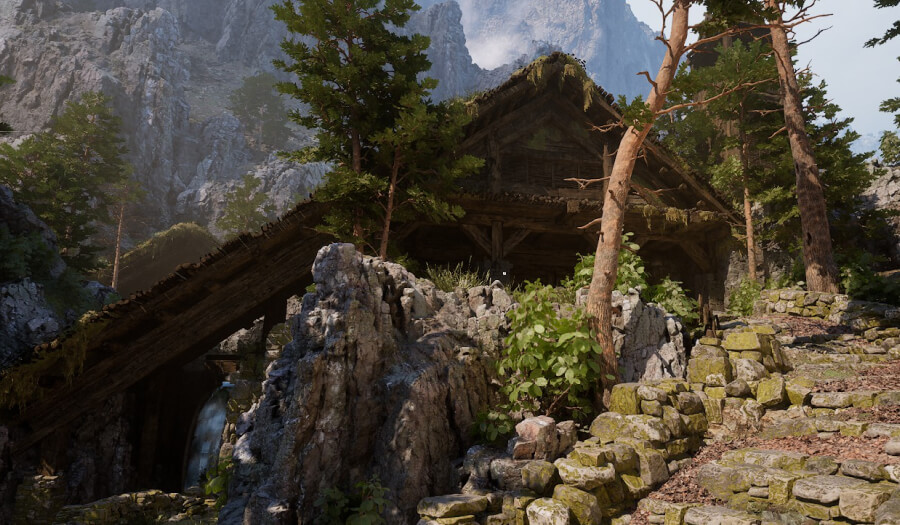
Fatekeeper is about more than just swinging your weapons about and kicking people into objects (more on that later). The spell system is your friend, and you need to take advantage of it. Use fire spells to burn enemies, frost bolts to slow and freeze more challenging enemies. These are just the basics but when used well, the spells can be a game-changer for how combat works and how you execute it.
As you level up, you can focus more on spells but it's not the best idea to invest too heavily here, as Health is much more useful early. Spells are crucial, and making the most of them is a game-changer.
Use Your Environment
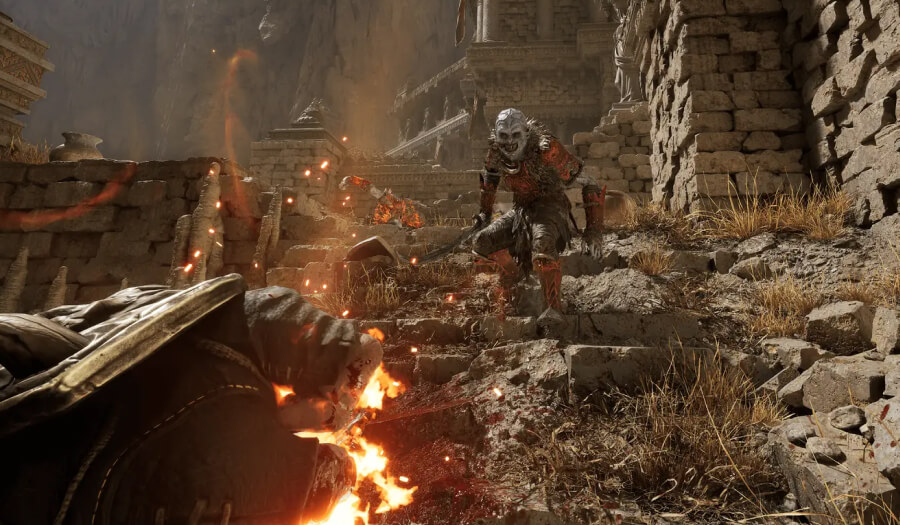
Before you start swinging, take two seconds to clock what's in the room. Fatekeeper is absolutely loaded with environmental hazards, and knowing where they are will completely change how you approach a fight.
Here's what you're looking for:
- Spiked Walls - Drag or kick enemies into these and watch the instant kill animation do the work for you.
- Holes and Ledges - Send enemies off the edge, and they're just gone. No fuss.
- Pressure Plates - Enemies can trigger these too so position fights around them and let the trap do the heavy lifting.
- Destructible Platforms - Some floors and walkways will collapse. Don't stand on them. Do stand under enemies who are on them.
- Oil - Pair with fire and you have a pretty straightforward recipe for a very bad time (for them).
Getting familiar with what a room looks like before you pull aggro is genuinely half the battle. Again, Fatekeeper is the 2026 version of Dark Messiah, so the environment is there for your advantage.
Kick Might be Overpowered
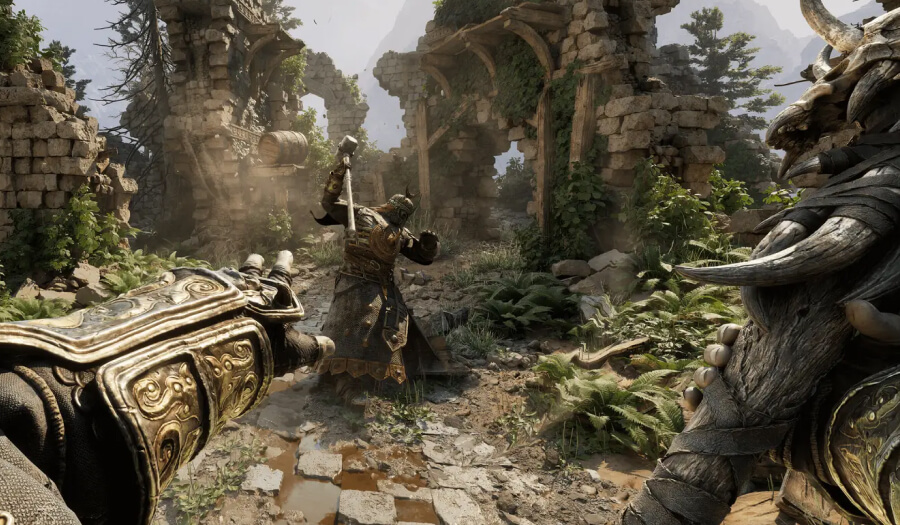
Right, the first thing you need to accept is that your boot is more powerful than any weapon in this game. The kick sends enemies flying across the room, and the whole map is basically a giant obstacle course of things you do NOT want to be standing next to.
Holes in the floor. Spike walls. Cliff edges. If it looks like somewhere that would ruin your day, it will absolutely ruin an enemy's day instead. Find the hazard, position yourself next to it, wait for the enemy to swing at you, dodge to the side, and boot them straight into it. Job done. Most satisfying thing in the game.
Perfect Dodge
Spamming the dash button to scramble away from everything is a really easy habit to fall into, but you're going to burn through your stamina, and you'll never get any hits in. There is a better way.
If you dodge at just the right moment before an attack connects, the game slows time down and gives you a window to punish the enemy. It feels incredible when it clicks, and once you've got the timing down, you will wonder how you ever played without it. Practice it, it's worth it.
Stop Blocking, Seriously
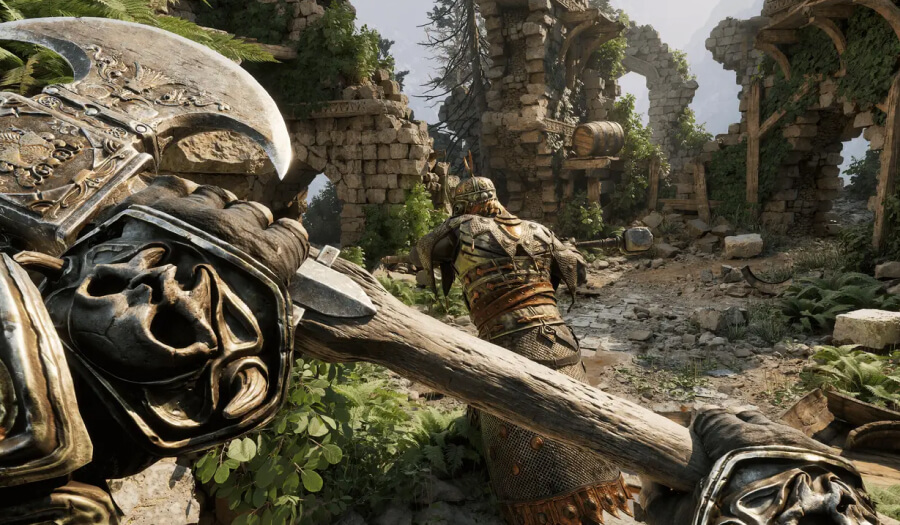
Blocking feels safe. It's one button, no timing required, and it does reduce damage. The problem is it absolutely destroys your Stamina, and the moment you run dry, you're just standing there eating hits.
On top of that, blocking does nothing against archers. You're not in Star Wars. The arrows still hurt, and you have no way to deflect them. Staying mobile and dodging are just the better defensive tools here, full stop. It takes a bit of getting used to if you're coming from a block-heavy playstyle but stick with it.
Where to Spend Your Skill Points
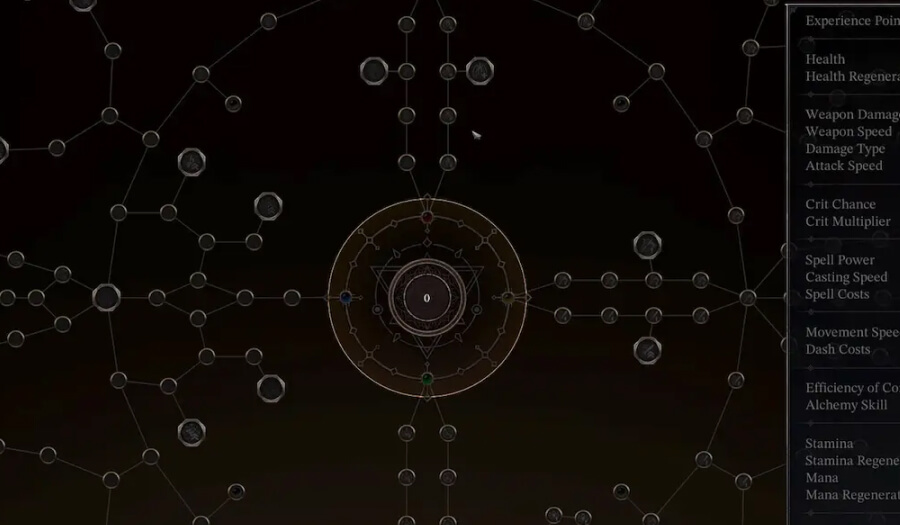
The skill tree looks a bit overwhelming at first, but it breaks down pretty simply. Weapon damage lives on the right, alchemy on the bottom, stamina and mana/elemental damage on the left, and health at the top.
Stamina and health are your priorities, and here's why: the best combat in this game happens through environmental kills and dodging. Stamina lets you dodge, sprint, and kick more often. Health is your safety net for when things go wrong. Weapon damage is less important when your foot is already doing the most damage in the room.
Telekinesis is Your Boot, But Ranged
If the kick is your best weapon, Telekinesis is your second best. It does not send enemies flying quite as dramatically as a kick does, but considering you can use it from across the room, it more than makes up for that.
The main ways to use it properly:
Pull enemies into traps. Stand on the far side of a pit or spike wall and yank them towards you.
Set up a free heavy attack. Pull an enemy towards you, while they're flying through the air and staggered, wind up a heavy attack. They can't do anything while they're mid-air, so you get a completely free window to absolutely clonk them.
Archers Are Not a Problem Anymore
Archers are a menace. They sit far away, they hit hard, and the arrows are a nightmare to dodge consistently. Without Telekinesis, you basically have to rush them, which often means running through a bunch of other enemies first.
With Telekinesis? Just target the archer and yank them off their perch. A lot of them are standing near ledges anyway, so you'll drag them directly to their doom without even needing to finish them off. Sorted.
How Healing Actually Works
This one, the game really does not explain well at all. The plants and mushrooms you find scattered around the maps are your healing items. Open your inventory and check your consumables to see what does what, since different ingredients give different effects.
In the middle of a fight, though, eating individual mushrooms one at a time is slow, and you often just don't have the luxury. The better move is to take your ingredients to an Alchemy station and brew potions, which combine three raw ingredients into one item. Suddenly, healing mid-combat is actually viable because you're getting a much bigger effect per item used. Definitely worth setting up before you go into tougher areas.
Keep Moving
Fatekeeper rewards movement. Standing still and fighting enemies as they come to you sounds straightforward, but you'll get surrounded, cornered, and overwhelmed pretty quickly.
Instead, run around the combat area and look for isolated enemies or spots where you can set up a trap. If you're outnumbered, create distance, find a chokepoint, and pull enemies through it one at a time. Staying mobile keeps you safe, keeps your options open, and means you're always close to something you can kick someone into.
Charge Your Heavy Attacks
Melee combat in Fatekeeper is a bit slow, and enemies will often swing faster than you can. Going toe-to-toe and just trading hits is a great way to burn through all your healing items and still lose.
The trick is to start charging a heavy attack while backpedalling away from an enemy's swing. You dodge or step back out of range, their attack whiffs, and you're already mid-charge on your counter. Because you started the animation early, you skip the wind-up and land the hit immediately, and the heavy attack did significantly more damage than a light swing. Once you get comfortable with this rhythm, fights feel much more controlled.